
baji365 is a gambling platform in Bangladesh that is partnered with AP Gaming. That partnership matters because sportsbook performance is driven by system behavior such as market organization, odds update transparency, ticket integrity, and settlement traceability. When those elements are stable, sessions feel coherent across sports, leagues, and live events.
A sportsbook experience can look clean while still creating friction through unclear market labels, confusing bet slip states, or inconsistent ticket histories. A more reliable evaluation focuses on repeatable signals that can be checked quickly with low exposure and short sessions.
Partnership scope and platform integration signals

A sportsbook partnership is more than a content label. It usually involves how markets are delivered, how the bet slip connects to account balance handling, and how ticket histories remain consistent across devices. On baji365 , AP Gaming is best assessed through the continuity of these workflows rather than isolated screenshots of a lobby.
Integration signals are most visible during common stress moments. Odds changes, live market suspensions, and network interruptions reveal whether the module is designed with clear states and predictable recovery behavior.
Module boundaries and navigation separation
Clear boundaries reduce selection mistakes. Sports, live sports, and esports should be separated logically, with consistent entry points that do not move between sessions. When navigation is coherent, event discovery becomes faster and market browsing stays more accurate under time pressure.
The checkpoints below reflect navigation behaviors that typically reduce friction:
- Stable sport taxonomy with leagues and tournaments grouped consistently
- Clear live status labeling that stays visible during browsing
- Predictable filters that persist after returning to a prior screen
- Search behavior consistency that returns expected events without duplicates
- Market naming standardization that avoids shifting abbreviations
Wallet coordination and state messaging
A sportsbook module should communicate state clearly. Ticket submission, balance updates, and confirmation messages must align so that one action produces one ticket and one balance change. When state messaging is weak, uncertainty rises and repeated taps become more common.
A stable integration usually shows visible confirmation after submission and clear prompts when a market is no longer available. These signals support more disciplined play because they reduce confusion about what was accepted and what was rejected.
Market coverage and event discovery behavior

Market coverage should be evaluated through usefulness, not raw volume. Practical coverage includes reliable listings, coherent league grouping, and market depth that matches the sport type. Event discovery becomes the main workflow, so the layout needs to support fast scanning without hiding essential context.
Coverage quality is also reflected by how consistently the same markets appear across similar events. When comparable matches display comparable market groups, browsing becomes more predictable and errors drop.
Market layout and line readability
Line readability matters most on mobile. Market names, handicaps, and totals must be displayed clearly enough to confirm what is being selected without opening multiple panels. When readability is poor, the risk of selecting an unintended line increases, especially during rapid live updates.
The list below summarizes layout elements that typically improve selection confidence:
- Event headers that show start time and live status clearly
- Primary markets placement that stays consistent across sports
- Line formatting that keeps values unambiguous and readable
- Market grouping logic separating main lines, totals, and specials
- Fast return paths that make it easy to resume browsing after slip edits
Esports discovery and series structure cues
Esports discovery requires additional clarity because event structures vary by title and tournament. A coherent esports layout makes it clear whether a market applies to a full match, a map, or a series segment. When series structure cues are visible, selection mistakes are reduced without requiring external research.
The cues below typically support clearer esports browsing:
- Series notation indicating best-of formats in a consistent style
- Map numbering that separates map markets from match markets
- Tournament stage labels that remain consistent across pages
- Market grouping aligned with esports conventions rather than generic sports templates
Odds updates and live event stability signals
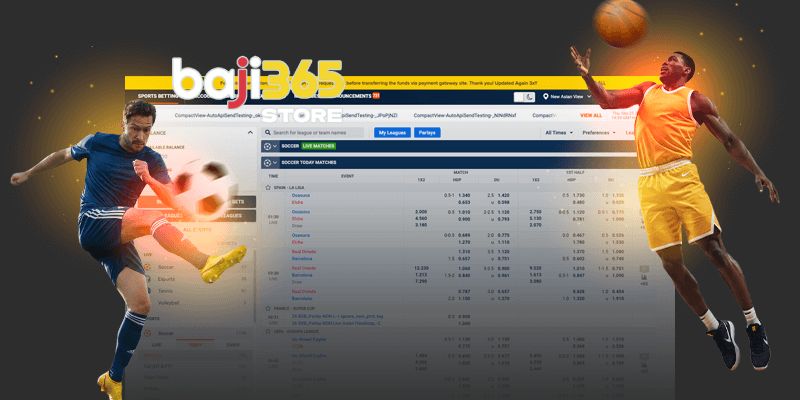
Live betting depends on frequent odds updates. Those updates should be communicated transparently, with prompts that clearly explain when odds changed and what needs to be accepted again. A stable module does not eliminate movement, but it keeps movement understandable.
During live events, market suspension is expected at key moments. The key quality signal is whether suspension states are clearly displayed and whether reopening behavior feels consistent rather than random.
Update transparency and change prompts
Change prompts protect players from unintended acceptance of a different price. A reliable interface surfaces the change at confirmation and provides clear options to accept or cancel. When prompts are missing or unclear, slip submissions can feel unpredictable.
The table below outlines common update states and the visible cue that supports clarity:
| Update state | Typical visible cue | Clarity benefit |
| Routine refresh | Odds update without layout disruption | Supports steady browsing |
| Price change at submit | Accept or cancel prompt at confirmation | Prevents unintended price acceptance |
| Market suspension | Locked state with short status message | Reduces repeated failed submissions |
| Event status shift | Clear live status change on event header | Improves timing awareness |
Suspension behavior and reopening consistency
Suspension behavior is easiest to handle when it is consistent. Markets should lock during major in-play moments, then reopen once pricing stabilizes. If reopening is erratic or unexplained, browsing turns into guesswork and repeated submission attempts become more common.
Signals that typically align with disciplined suspension behavior include visible lock states, clear reasons, and coherent reopening without excessive flicker between prices.
Bet slip workflow and submission integrity
The bet slip is the final control surface where errors become costly. A reliable slip keeps selection details readable, stake entry stable, and submission confirmation explicit. Slip design should also reduce duplicate taps and support quick edits without losing context.
A strong workflow makes it easy to verify what is being placed. That includes clear market names, clear line values, and confirmation states that do not disappear too quickly.
Selection detail verification and stake entry stability
Selection detail verification should show the market name, the side, and the line value in a format that remains readable on small screens. Stake entry should behave predictably, with stable keypad handling and no accidental resets when the screen refreshes.
The checklist below highlights slip behaviors that typically reduce avoidable mistakes:
- Exact selection details including the line value and market type
- Edit controls that allow removal without confusion
- Single-action submission reducing duplicate tap risk
- Clear submission confirmation showing that a ticket was created
- Readable rejection reasons tied to locks or price changes
Multi selection handling and slip resilience
Multi-selection tickets introduce additional complexity because one affected market can change the entire ticket. A resilient slip should flag the specific selection that changed or locked, rather than forcing a full rebuild. When that behavior is consistent, error rates drop and confirmation remains more controlled.
Slip resilience is also reflected by stable totals and clear recalculation messaging. Silent changes should be avoided because they undermine confidence in what is being submitted.
Ticket history and settlement traceability
Ticket history is the record system that supports transparency. A stable history view helps verify what was placed, when it was placed, and how it settled. Traceability matters because it reduces disputes and supports controlled session tracking.
Settlement behavior varies by sport and market type, so clear statuses are necessary. Pending, settled, and void outcomes should be distinct and consistently labeled.
Status categories and record completeness
A complete record typically includes placement time, stake, odds at placement, and a readable selection description. Status categories should be separated clearly so that a pending ticket cannot be mistaken for a settled ticket. When records are incomplete, session review becomes unreliable.
The list below summarizes record elements that improve traceability:
- Placement timestamp shown consistently across tickets
- Odds at placement preserved after settlement
- Market description readable without returning to the event page
- Clear final status such as won, lost, void, or canceled
- Filtering options separating open tickets from settled tickets
Settlement timing cues and practical review habits
Settlement timing should be communicated through clear pending states and finalization cues. If a ticket is voided or adjusted, the record should show the change clearly rather than leaving the result ambiguous. Clear cues reduce confusion when multiple events conclude around the same time.
A practical habit is to review ticket details shortly after submission and again after the event ends. This supports accurate tracking without relying on memory during busy live schedules.
Mobile performance and session continuity signals

Mobile performance is a primary signal because sportsbook sessions are often executed on smartphones. Touch accuracy, scroll stability, and slip overlay behavior should remain predictable while odds refresh in the background. Session continuity also matters because network changes are common when switching between Wi-Fi and mobile data.
A stable mobile experience supports faster verification and reduces accidental actions. Continuity should preserve ticket visibility and prevent duplicate submissions after reconnect.
Touch accuracy and interface stability under refresh
Touch accuracy is reflected when taps register once and selection highlights match slip contents. Interface stability is reflected when pages do not jump during refresh and when overlays do not cover essential details. If the interface shifts unexpectedly, selection errors become more likely.
The table below lists common mobile friction points and the symptom that typically indicates each one:
| Friction point | Typical symptom | Session impact |
| Tap duplication | Two selections added from one tap | Higher unintended ticket risk |
| Scroll jump | Page repositions while browsing | Lost context and misclick risk |
| Slip overlay instability | Slip shifts during stake entry | Slower confirmation and more errors |
| Hidden lock states | Market looks open but rejects submit | Confusion under time pressure |
Network change handling and ticket visibility after reconnect
Network changes should not break ticket visibility. After reconnect, open tickets should remain visible, settled tickets should remain accurate, and the slip should not retain stale selections. A reliable recovery flow supports confidence because it reduces uncertainty about what was accepted.
When recovery behavior is inconsistent, shorter sessions and smaller stakes are typically safer until stability is observed consistently across multiple reconnect scenarios.
Experienced platform support from baji365
baji365 is positioned as a Bangladesh-based platform that prioritizes clear sportsbook workflows, readable records, and stable device behavior through its partnership with AP Gaming. Operational consistency is supported by structured navigation, transparent odds change prompts, and ticket histories designed to remain traceable across sessions.

CEO Dominic Amelia (born 1990) is the Chief Executive Officer of baji365, a Bangladesh-focused online entertainment platform providing live cricket data and digital gaming content. With years of experience in content strategy, platform operations, and digital brand development, Dominic Amelia is recognized for her leadership in building transparent systems and driving sustainable growth for baji365.
Contact Info:
CEO Dominic Amelia
Website: https://baji365.store/ceo-dominic-amelia/
Phone: +8801885206557
Address: 20 Shahid Fazlul Haq Rd, Dhaka 1212, Bangladesh
Email: baji365.store@gmail.com
#baji365 #baji365ceo #dominicamelia #bangladeshceo #ceodominicamelia #digitalplatform #cricketcontent #onlineentertainment #brandleadership #techleadership