
The Decision Review System, commonly known as DRS, has become one of the most important technologies in modern cricket. It helps teams challenge on-field umpire decisions using advanced tools like ball tracking and edge detection. For many viewers, however, the system can feel confusing due to technical graphics and terminology. That is why understanding How DRS Works in Cricket Explained Simply is essential for anyone following the game today.
DRS is designed to reduce human error and improve decision accuracy, especially in close situations such as LBW appeals, caught-behind decisions, and run-outs. While it may look complex on screen, the actual process is structured and follows a clear sequence. A simplified breakdown of How DRS Works in Cricket Explained Simply helps explain how teams use reviews and how umpires rely on technology to reach final decisions. Play at baji365 Your Ultimate Destination for Online Gaming
What Is DRS In Cricket
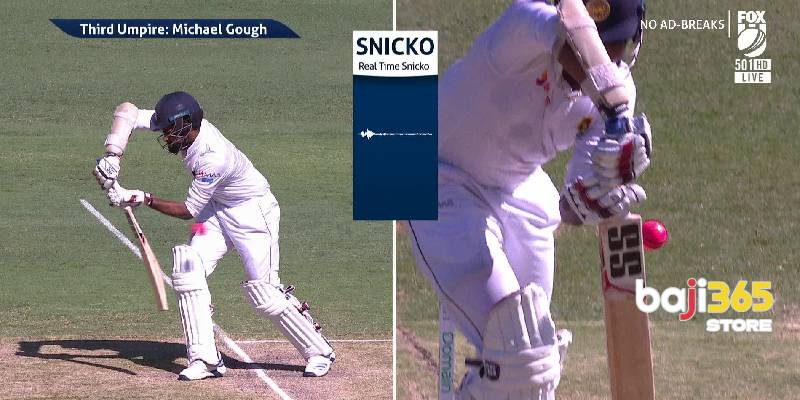
Before explaining the process, it is important to understand what DRS actually is. The Decision Review System is a technology-assisted method that allows players to challenge an umpire’s decision. Each team is given a limited number of reviews per innings, and they must use them carefully.
When discussing How DRS Works in Cricket Explained Simply, the core idea is that DRS does not replace the umpire. Instead, it provides additional evidence using cameras and tracking systems. The final decision is made by the third umpire after reviewing multiple angles and data sources.
DRS is mainly used for three types of decisions:
- Leg Before Wicket (LBW)
- Caught behind
- Close run-out or stumping calls
Among these, LBW decisions are the most complex and rely heavily on ball-tracking technology.
Step By Step Process Of DRS
The process of DRS follows a clear sequence. Understanding this sequence is key to learning How DRS Works in Cricket Explained Simply.
Here is how a typical DRS review works:
- An on-field umpire gives a decision (out or not out).
- The batting or bowling team decides to review within a few seconds.
- The third umpire begins analysis using available technology.
- Different tools are checked depending on the type of appeal.
- A final decision is communicated back to the on-field umpire.
This structured approach ensures that every review is handled consistently. The simplicity of this flow is central to How DRS Works in Cricket Explained Simply, even though the technology behind it is advanced.
Main Technologies Used In DRS
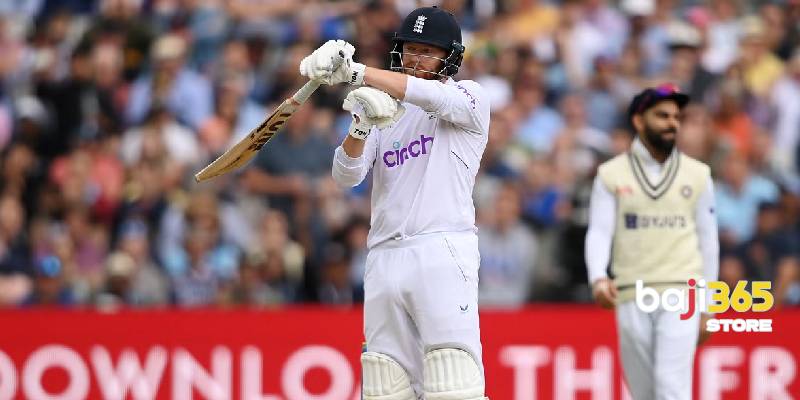
DRS relies on multiple technologies, each designed to answer a specific question about the delivery. These tools work together to give the third umpire a complete picture.
Ball Tracking
Ball tracking is used mainly for LBW decisions. It shows the path of the ball after it is bowled and predicts where it would have gone after hitting the batter’s pad. This helps determine whether the ball would have hit the stumps.
This is one of the most important elements in How DRS Works in Cricket Explained Simply, because LBW decisions often depend on predicted ball movement.
UltraEdge Or Snickometer
This technology detects whether the ball has touched the bat before reaching the wicketkeeper. It uses sound waves and visual spikes to confirm contact. If there is a clear spike at the moment the ball passes the bat, it suggests an edge.
Understanding this tool is essential when learning How DRS Works in Cricket Explained Simply, especially for caught-behind decisions.
Hotspot (When Available)
Hotspot uses infrared imaging to detect heat generated by contact between the ball and bat. While not always used in every match, it can provide additional confirmation.
| Technology | Purpose |
| Ball Tracking | Predicts ball path for LBW decisions |
| UltraEdge | Detects edges using sound waves |
| Hotspot | Shows contact using heat imaging |
Understanding Umpire’s Call
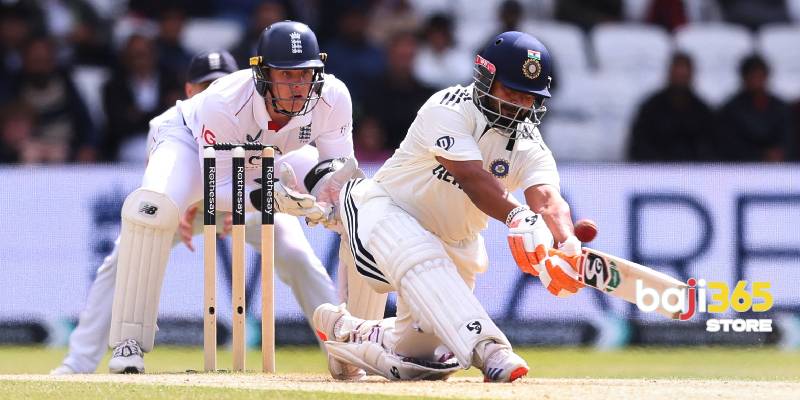
One of the most confusing parts of DRS is the concept of “Umpire’s Call.” This is where many viewers struggle, making it a key part of How DRS Works in Cricket Explained Simply.
Umpire’s Call means that the decision is too close to overturn with certainty. In such cases, the original on-field decision is retained. This usually happens in LBW reviews when the ball is only partially hitting the stumps.
For example:
- If the umpire gives “out” and the ball is marginally hitting the stumps → decision stays out.
- If the umpire gives “not out” and the ball is marginally hitting → decision stays not out.
This rule ensures that DRS supports the umpire rather than completely replacing human judgment. It is a central concept in understanding How DRS Works in Cricket Explained Simply.
When Teams Lose Or Keep A Review
Teams must use reviews carefully because they have a limited number per innings. Whether a team keeps or loses a review depends on the outcome.
This is another important part of How DRS Works in Cricket Explained Simply.
- If the decision is overturned → the team keeps the review.
- If the decision stays the same → the team loses the review.
- If the result is Umpire’s Call → the team keeps the review.
This rule encourages teams to review only when they are confident, rather than using reviews randomly.
Why DRS Is Important In Modern Cricket

DRS has significantly improved fairness in cricket by reducing incorrect decisions. While umpires still play a central role, the system provides an additional layer of accuracy that is especially useful in high-pressure matches.
The importance of How DRS Works in Cricket Explained Simply becomes clear when considering how often close decisions occur in modern cricket. Fast bowling, spin variation, and advanced batting techniques make it difficult to judge every appeal perfectly in real time.
By combining human judgment with technology, DRS creates a more balanced decision-making process. It also enhances the viewing experience by allowing fans to see detailed replays and understand how decisions are made.
- Reduces umpiring errors
- Improves decision accuracy
- Adds transparency to the game
- Enhances broadcast analysis
How DRS Works In Real Match Situations
In real matches, DRS decisions often happen quickly but follow the same structured process. Players must decide within seconds whether to review, and the third umpire then evaluates the available data systematically.
Understanding How DRS Works in Cricket Explained Simply helps viewers interpret these moments more clearly. Instead of seeing DRS as a complicated interruption, it can be viewed as a logical extension of umpiring that ensures accuracy.
Over time, players have also become better at using DRS strategically. Experienced teams often rely on communication between batters, wicketkeepers, and bowlers to decide whether to review. This adds another layer of tactical depth to the game.
As cricket continues to evolve, DRS remains a key part of the Baji365 Sports modern structure. For fans, players, and analysts, understanding How DRS Works in Cricket Explained Simply provides a clearer view of how technology and decision-making now work together in international cricket.

CEO Dominic Amelia (born 1990) is the Chief Executive Officer of baji365, a Bangladesh-focused online entertainment platform providing live cricket data and digital gaming content. With years of experience in content strategy, platform operations, and digital brand development, Dominic Amelia is recognized for her leadership in building transparent systems and driving sustainable growth for baji365.
Contact Info:
CEO Dominic Amelia
Website: https://baji365.store/ceo-dominic-amelia/
Phone: +8801885206557
Address: 20 Shahid Fazlul Haq Rd, Dhaka 1212, Bangladesh
Email: baji365.store@gmail.com
#baji365 #baji365ceo #dominicamelia #bangladeshceo #ceodominicamelia #digitalplatform #cricketcontent #onlineentertainment #brandleadership #techleadership