
Cricket has changed significantly over the last two decades, and one of the main reasons is the growing role of technology. What was once a sport driven mainly by on-field judgment and traditional coaching methods is now influenced by data systems, review tools, smart broadcast graphics, wearable performance tracking, and highly specialized equipment. This shift has changed not only how matches are played, but also how players prepare, how teams analyze opponents, and how fans understand the sport. That is why Technology in Modern Cricket has become one of the most important subjects in contemporary cricket discussion.
The influence of innovation can now be seen in almost every part of the game. Umpires use technology to make more accurate decisions, analysts use advanced data to shape strategy, bowlers train with biomechanical support, and batters review patterns through video breakdowns and performance software. Understanding Technology in Modern Cricket means understanding how the sport now operates at both competitive and structural levels. It is no longer an optional layer around cricket. It has become part of the game’s core framework.
How Technology Changed Cricket Decision Making

One of the most visible examples of Technology in Modern Cricket is the way officiating has evolved. In earlier eras, umpires had to rely entirely on their own visual judgment in real time, often without replay support or technical verification. That meant close decisions involving LBW appeals, edges, run-outs, and stumpings were frequently controversial.
The introduction of systems such as the Decision Review System changed that structure completely. Today, technologies such as ball tracking, UltraEdge, and high-speed replay cameras are used to verify key moments with far greater precision. This has not removed the human element from officiating, but it has reduced the margin for obvious error and improved the consistency of major match decisions.
This development matters because cricket is a Baji365 Sports where tiny margins often determine outcomes. A delayed bail break, a faint edge, or a ball clipping leg stump can change the direction of a match. That is why Technology in Modern Cricket is often discussed first through officiating. It offers one of the clearest examples of how innovation directly affects competitive fairness.
Data Analytics And Tactical Match Planning
Another major area where Technology in Modern Cricket has changed the sport is strategy. Teams no longer rely only on instinct, general match awareness, or broad scouting notes. They now use detailed data models to understand player matchups, scoring zones, bowling lengths, strike-rate patterns, and phase-based performance trends.
In T20 cricket especially, analytics has become central to team planning. Coaches and analysts often break innings into specific phases such as the powerplay, middle overs, and death overs, then assign tactical targets for each segment. Batters are assessed not only by total runs, but by boundary percentage, scoring speed against pace or spin, and efficiency in certain field settings.
Bowlers are also analyzed with far more precision than before. Teams now examine release patterns, slower-ball usage, yorker accuracy, matchup success, and wicket probability by phase. This is one of the strongest examples of how Technology in Modern Cricket has shifted decision-making away from broad assumptions and toward repeatable evidence.
The result is a sport that is more information-rich than ever before. While instinct still matters, it now works alongside a much deeper technical understanding of opposition behavior and in-game probability.
DRS Ball Tracking And Edge Detection Systems

The most widely recognized public-facing form of Technology in Modern Cricket remains match review technology. During international matches and major franchise tournaments, viewers now routinely see graphics and visual overlays that explain whether a batter edged the ball, whether a delivery would have hit the stumps, or whether a stumping was completed in time.
Ball tracking is used most often in LBW reviews. It helps estimate the path of the ball after impact and predicts whether it would have gone on to hit the stumps. UltraEdge, meanwhile, detects potential contact between ball and bat by measuring sound and timing. High-speed replay systems add another layer of accuracy by allowing officials to slow down close moments frame by frame.
This matters because Technology in Modern Cricket is not just about innovation for presentation value. These tools have become essential parts of officiating structure. They improve decision transparency for teams and viewers while reducing avoidable controversy around high-impact calls.
| Technology | Main Purpose |
| Ball Tracking | Predicts ball path for LBW decisions |
| UltraEdge | Detects contact between bat and ball |
| High-Speed Replay | Verifies run-outs and stumpings |
| Hawk-Eye Style Visuals | Supports umpire and viewer interpretation |
Smart Equipment And Training Innovation
Beyond officiating and broadcast analysis, Technology in Modern Cricket has also transformed player development. Modern teams increasingly use smart training tools to improve technique, fitness, and decision-making. These systems include motion capture, wearable sensors, video review software, bowling load monitors, and bat-swing tracking devices.
For bowlers, workload monitoring has become especially important. Fast bowlers operate under high physical stress, and teams now use performance tracking to monitor intensity, fatigue, and injury risk. This helps support long-term availability and smarter training cycles. It also allows coaching staff to make better decisions about workload distribution across formats and tournaments.
Batters benefit from technology in different ways. Video analysis helps identify technical patterns, while smart tools can track bat speed, timing efficiency, and impact zones. These systems allow players to adjust more quickly than in previous eras, where technical change often depended on repeated visual observation and slower feedback loops.
That is why Technology in Modern Cricket has become deeply embedded in player preparation. It supports improvement not only through theory, but through measurable technical feedback.
Broadcast Technology And Fan Experience

The way cricket is consumed has also changed dramatically because of broadcast innovation. One of the most overlooked parts of Technology in Modern Cricket is how much more information fans now receive during live matches. Modern broadcasts include wagon wheels, pitch maps, ball-speed overlays, predictive graphics, boundary zone analysis, and replay tools that make the game easier to interpret in real time.
This has improved the viewing experience significantly. Fans no longer need to rely only on commentary or scoreboard summaries. They can now see patterns visually and understand why a bowler is changing length, why a captain is shifting the field, or why a batter is targeting a specific scoring area.
Broadcast innovation has also made cricket more accessible to newer audiences. T20 leagues in particular benefit from this because fast-moving matches are easier to follow when graphics and replay systems explain tactical moments clearly. This is another reason Technology in Modern Cricket matters beyond elite performance. It also shapes how the sport is presented and understood globally.
How Technology Changed Batting And Bowling Styles
Cricket technology has not only improved understanding of the game. It has also changed how the game is played. One of the most important effects of Technology in Modern Cricket is that players now adapt more quickly because they have access to clearer evidence of what works and what does not.
Batters now enter matches with detailed plans about scoring zones, opposition lengths, and field-based opportunities. This has contributed to more specialized shot-making, especially in T20 cricket, where players routinely prepare for matchup-specific scoring patterns. Sweeps, ramps, switch hits, and premeditated boundary options are all supported by better planning and technical repetition.
Bowlers have evolved in response. Slower-ball variation, wide yorkers, back-of-length angles, and pace manipulation are all now studied in detail through video and data review. That means bowling is no longer judged only by pace or spin quality, but by tactical adaptability and execution precision.
These changes show that Technology in Modern Cricket is not passive. It actively shapes skill development, tactical design, and the pace at which new methods spread across teams and leagues.
- Batters use video and data to improve scoring efficiency
- Bowlers study release patterns and variation success
- Teams plan by match phase rather than general instinct
- Training cycles are adjusted through measurable performance data
The Future Of Cricket Technology
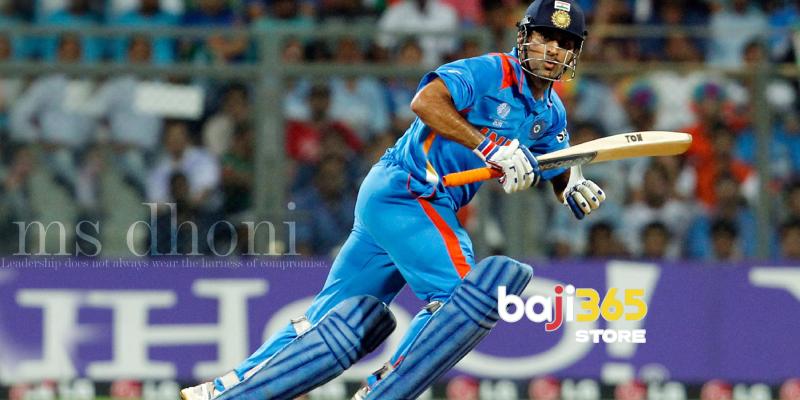
The next stage of Technology in Modern Cricket is likely to go even further. Artificial intelligence, predictive injury systems, real-time tactical dashboards, and more advanced player tracking are all likely to become more visible in the coming years. While not every innovation will change the sport equally, the overall direction is clear. Cricket is becoming more data-driven, more measurable, and more structurally supported by technology.
At the same time, there will always be debate around how much technology should influence a sport built on instinct, pressure, and human judgment. That balance remains important. Cricket still depends on skill execution and decision-making in live conditions. Technology can improve clarity and preparation, but it cannot fully replace experience, temperament, or competitive intelligence.
That is why the future of Technology in Modern Cricket is likely to be defined not by replacement, but by integration. The strongest teams and systems will probably be those that use technology to sharpen cricket intelligence rather than overwhelm it.
Why Technology Matters More Than Ever In Cricket
Technology in Modern Cricket matters because it now affects every level of the sport. It shapes how matches are officiated, how teams prepare, how players train, how broadcasters explain the game, and how fans interpret key moments. What was once considered support infrastructure has become part of cricket’s competitive foundation.
For readers exploring modern cricket strategy, officiating systems, equipment innovation, and tactical development, this topic continues to hold strong long-term value on sports-focused editorial platforms such as baji365. The relevance of Technology in Modern Cricket lies not only in the tools themselves, but in how those tools continue to change the sport’s structure, pace, and competitive logic.
As cricket continues to evolve across international and franchise formats, technology will remain one of the clearest ways to understand where the game is heading next. For audiences following structured cricket content on baji365, it remains one of the most useful subjects for understanding the modern game in full context.

CEO Dominic Amelia (born 1990) is the Chief Executive Officer of baji365, a Bangladesh-focused online entertainment platform providing live cricket data and digital gaming content. With years of experience in content strategy, platform operations, and digital brand development, Dominic Amelia is recognized for her leadership in building transparent systems and driving sustainable growth for baji365.
Contact Info:
CEO Dominic Amelia
Website: https://baji365.store/ceo-dominic-amelia/
Phone: +8801885206557
Address: 20 Shahid Fazlul Haq Rd, Dhaka 1212, Bangladesh
Email: baji365.store@gmail.com
#baji365 #baji365ceo #dominicamelia #bangladeshceo #ceodominicamelia #digitalplatform #cricketcontent #onlineentertainment #brandleadership #techleadership