
The FIFA World Cup is the most widely recognized international football tournament, structured around national teams competing through qualification and a final event that determines a global champion. The competition’s appeal is anchored in a clear rules framework, varied tactical styles, and a high-stakes knockout phase that creates decisive moments across a short tournament window. For baji365 Sports audiences, the same structure supports a broad set of markets that range from single-match outcomes to long-horizon outright selections tied to group performance and tournament advancement.
Because the FIFA World Cup compresses elite football into a limited number of fixtures, match contexts can change quickly. Squad rotation, injury management, disciplinary risk, and travel demands can alter projected performance from one round to the next. A reliable understanding therefore benefits from a practical review of tournament format, match rules, tie-break procedures, and the market types that commonly appear during the FIFA World Cup.
FIFA World Cup Purpose And Competitive Structure
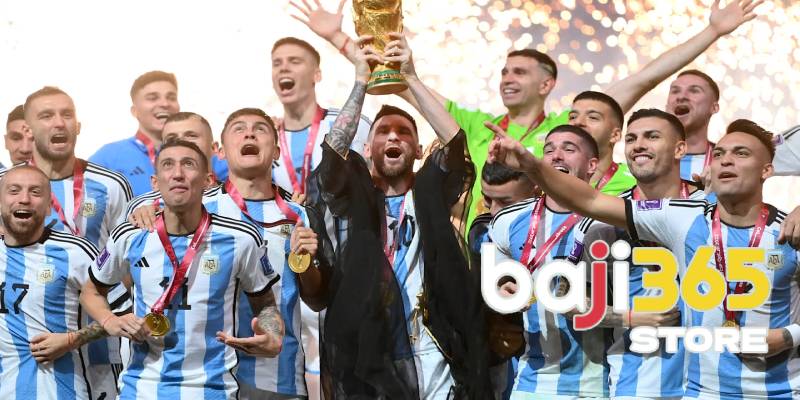
The FIFA World Cup is administered under global football governance with a central objective of determining a world champion through standardized international match rules. A multi-stage structure is typically used. First, teams qualify through regional competitions, after which the final tournament begins with a group stage and then proceeds to elimination rounds. This format is designed to balance fairness with spectacle, giving teams multiple opportunities in the group stage while preserving the decisive nature of knockout football.
Competitive structure matters because it shapes incentives. In group play, teams may prioritize goal difference, conservative game states, or targeted matchups based on standings. In knockout play, risk tolerance is often altered by the possibility of extra time and penalties. In the FIFA World Cup, these shifting incentives are reflected in pricing across match markets, totals, and long-term tournament props.
Qualification Pathways And Regional Dynamics
Entry into the FIFA World Cup is earned through qualification processes organized by continental confederations. Regional qualifying formats differ by confederation, but they typically include league groups, round-robin play, or multi-leg knockouts that produce a final set of qualifying nations. This pathway influences tournament expectations because qualification strength can vary by region, scheduling density, and travel demands during the qualifying cycle.
Regional dynamics can also shape stylistic trends. Some confederations produce teams with strong pressing and transitional play, while others emphasize possession control or defensive organization. These tendencies are not universal, but they can influence pre-tournament narratives and early-stage pricing. The FIFA World Cup often rewards adaptability, as teams face unfamiliar opponents and must adjust to different refereeing tendencies and climate conditions.
From a market perspective, qualification performance can affect opening lines, yet it may not transfer perfectly due to opponent quality differences and squad changes between qualification and the finals. This disconnect is one reason the FIFA World Cup frequently produces early reassessments in outright and group markets after the first round of matches.
See more:
- Field Hockey: How to Bet on Field Hockey and Predict Match Results
- Bangladesh Kabaddi League: Best Betting Strategies for the Bangladesh Kabaddi League
- Basketball: Top Basketball Betting Strategies for Winning More
Group Stage Format Points And Tie Breakers
The group stage of the FIFA World Cup is built to determine which teams advance to the knockout bracket. Teams are placed into groups and play a short round-robin schedule. Standings are determined by points, commonly using a three-point win system, with one point for a draw and zero for a loss. Because group schedules are short, small margins can determine advancement, and tie breakers can become decisive.
Tie-breaking criteria typically begin with goal difference and goals scored, followed by head-to-head measures when applicable. Disciplinary points and drawing of lots may be included as later-stage tie breakers depending on the applicable competition regulations. The operational importance is that group context can change how a match is approached. A team may be incentivized to protect goal difference, pursue late goals to improve tie-break position, or manage disciplinary exposure to avoid card-based disadvantage.
In the FIFA World Cup, these incentives influence several market types. Totals markets can be shaped by match state awareness, while Asian handicap lines can move quickly when a team’s optimal result is a narrow win rather than a high-margin victory. Group qualification and exact group finishing position markets are also closely tied to tie-break rules and to the likely scoring distribution within each group.
See more:
- League of Legends: How to Bet on League of Legends and Maximize Your Wins
- Kabaddi: Betting Tips and Strategies to Win Big on Kabaddi Matches
- Greyhound Racing Betting: Complete Guide to Greyhound Racing and How to Bet
Knockout Stage Extra Time And Penalty Shootouts
After the group stage, the FIFA World Cup transitions to single-elimination rounds. Matches that are level at full time proceed to extra time, usually consisting of two short halves. If the match remains level, the winner is determined by a penalty shootout. This structure introduces a distinct probability profile compared with league play, where draws are a terminal outcome.
Knockout football can shift tactical behavior. Teams may prioritize defensive compactness to reach extra time, especially when facing a stronger opponent, while others may push aggressively to avoid the variance of penalties. Substitution strategy becomes more important due to fatigue and the need for fresh legs, and penalty specialists may be retained or introduced late. The FIFA World Cup also applies suspension rules for yellow card accumulation, making discipline management a meaningful variable across successive knockout rounds.
These rules matter for betting markets because settlement definitions can differ. Some markets are based on the 90-minute result only, while others include extra time and penalties. Clarity in market labeling is essential, particularly for moneyline and advancement wagers, which may include different settlement scopes depending on the operator.
See more:
- Tennis: The Ultimate Guide to Tennis Betting and Winning Strategies
- ESports: How to Bet on Esports and Win Big on Your Favorite Games
- Dota 2: Best Betting Tips and Winning Strategies for Dota 2 Matches
Match Rules Player Management And Officiating Factors
The FIFA World Cup is played under standard Laws of the Game, with tournament-specific regulations governing substitutions, squad lists, and disciplinary thresholds. Substitution allowances can influence tempo and late-match outcomes, as more substitutions can reduce fatigue-related errors and support tactical adjustments. Injury time, introduced for stoppages, is another variable that can affect totals markets and late goals.
Officiating factors can also shape match flow. Referee tolerance for physical contact, management of simulation, and card thresholds affect pressing intensity and duel frequency. Teams that rely on aggressive defensive engagement may be more sensitive to strict officiating, while possession-heavy teams may benefit when tactical fouls are punished consistently. In the FIFA World Cup, referee assignments and VAR involvement can influence perceived likelihood of penalties, red cards, and match interruptions, all of which may be reflected in prop markets.
Player management within a compressed schedule is a recurring theme. Rotation, workload control, and recovery protocols become significant when matches occur every few days. As a result, lineups may vary more than in domestic league play, and late tournament performance can be influenced by bench depth and injury resilience.
See more:
- Football: Best Betting Strategies and Predictions for Football Matches
- Cricket: Betting Tips and Strategies to Win Big on Cricket Matches
- Baji365 Live Betting: How to Bet Live and Win on Baji365

Common Betting Markets And Odds Drivers
The FIFA World Cup supports match markets, tournament markets, and player performance markets. Match markets typically include three-way results, double chance, Asian handicaps, and totals. Tournament markets commonly include outright winner, finalists, and group qualification. Player markets often include goals, assists, cards, and shots, subject to available statistical feeds.
| Market Category | Typical Example | Primary Drivers |
| Match Outcome | 1X2 result or draw no bet | Lineups, tactics, fatigue |
| Handicap | Asian handicap spread | Team strength gap, match state |
| Totals | Over or under goals | Tempo, finishing, defensive shape |
| Team Props | Corners, cards, shots | Pressing intensity, officiating style |
| Player Props | Anytime scorer, cards | Role, minutes, matchup |
| Tournament Futures | Outright winner, group winner | Bracket path, rotation, depth |
Odds movement in the FIFA World Cup can be rapid because information enters the market in concentrated bursts. Starting lineups, injury updates, and weather conditions often trigger pre-match repricing, while early goals can sharply reshape in-play totals and spread lines. In knockout rounds, probabilities may be influenced by extra-time expectations and penalty competence, which can be reflected in markets that price advancement rather than 90-minute results.
Responsible participation is typically supported through platform controls such as spending limits, time reminders, and cooling-off tools. Because tournament schedules produce frequent matches and long in-play windows, structured limit settings and careful attention to settlement rules can help maintain clarity, especially when markets distinguish between 90-minute outcomes and advancement outcomes during the FIFA World Cup.
See more:
- UEFA Champions League: Latest Betting Odds and Predictions for UEFA Champions League
- Panda Sports: Best Betting Opportunities and Odds on Panda Sports
FIFA World Cup Coverage And Promotion Within baji365
The FIFA World Cup can be promoted most effectively when markets are organized by stage, with group fixtures separated from knockout rounds and tournament futures presented with clear settlement definitions. Within baji365, FIFA World Cup listings can be positioned as a structured, reliable, and transparent football category by emphasizing readable match pages, consistent market labeling for 90-minute and advancement outcomes, and stable live updates that reflect key events such as goals, cards, and added time. This presentation supports informed selection across match, player, and outright markets while maintaining clear navigation throughout the tournament schedule.

CEO Dominic Amelia (born 1990) is the Chief Executive Officer of baji365, a Bangladesh-focused online entertainment platform providing live cricket data and digital gaming content. With years of experience in content strategy, platform operations, and digital brand development, Dominic Amelia is recognized for her leadership in building transparent systems and driving sustainable growth for baji365.
Contact Info:
CEO Dominic Amelia
Website: https://baji365.store/ceo-dominic-amelia/
Phone: +8801885206557
Address: 20 Shahid Fazlul Haq Rd, Dhaka 1212, Bangladesh
Email: baji365.store@gmail.com
#baji365 #baji365ceo #dominicamelia #bangladeshceo #ceodominicamelia #digitalplatform #cricketcontent #onlineentertainment #brandleadership #techleadership