
The Bangladesh Kabaddi League is typically framed as a professional kabaddi competition designed to showcase a fast, contact-based sport with structured raids, coordinated defense, and clear point scoring. Kabaddi’s core structure is defined by alternating raids, where one player enters the opposing half to score touch points and return safely, while defenders attempt tackles to stop the raider. In league formats, repeated matchups and table standings add a season-long context that influences team selection, tactical pacing, and late-match risk decisions.
For sportsbook coverage, kabaddi supports measurable markets tied to match winners, point spreads, and total points, with additional options sometimes linked to raid points and tackle points when official data feeds are available. Because kabaddi includes rapid scoring swings, particularly around all out sequences and high-value raids, an accurate understanding of match rules and settlement definitions is essential for interpreting odds movement and evaluating market types during a Bangladesh Kabaddi League season.
Kabaddi Fundamentals And Match Objective

In standard kabaddi rulesets, two teams compete to outscore one another through raids and defensive actions. A raid begins when a designated raider crosses the midline into the opponent’s half. The raider attempts to tag defenders and return to the team’s half without being tackled. If the raider returns successfully after making valid contact, points are awarded for each defender put out. If the raider is stopped and tackled before returning, the defending team is awarded points and the raider is declared out for a temporary period.
The match objective is to accumulate more points than the opponent by combining efficient raiding with disciplined defending. Because each raid is a discrete sequence with a clear start and end, Bangladesh Kabaddi League scoring can be tracked precisely, which supports both broadcast presentation and baji365 Sports settlement. The most important structural detail is that every raid changes the match state by affecting the number of active players on each side, which in turn alters defensive formations and the probability of subsequent points.
Scoring System Raid Points Tackle Points And All Outs
Scoring in Bangladesh Kabaddi League is typically divided into raid points and tackle points. Raid points are earned when a raider touches one or more defenders and returns safely. The number of points generally corresponds to the number of defenders successfully put out during that raid. Tackle points are earned when defenders stop a raider from returning, producing an out and awarding the defending side a point for the successful tackle.
Additional scoring features can influence match totals. Bonus points may be awarded under specific conditions, such as when a raider crosses a designated line while remaining in-bounds and maintaining proper contact with the playing surface, often requiring a minimum number of defenders to be on the mat. Super tackle points may be awarded when a reduced defensive unit completes a tackle, reflecting the increased difficulty of stopping a raider with fewer defenders available.
All out sequences are among the most influential scoring events. When all seven players of a team are declared out, an all out is recorded and the opposing team typically receives extra points in addition to the tackle or raid points that completed the elimination. The eliminated team then has players revived and returns to full strength. This mechanism creates a repeating cycle where numerical advantage can rapidly convert into additional points, increasing volatility in spreads and totals.
See more:
- Football: Best Betting Strategies and Predictions for Football Matches
- Cricket: Betting Tips and Strategies to Win Big on Cricket Matches
- Baji365 Live Betting: How to Bet Live and Win on Baji365
Raid Structure Timers And Do Or Die Situations

Professional Bangladesh Kabaddi League is played under time constraints that limit how long a raider can remain in the opposing half. Raid clocks and officiating signals are used to enforce these limits and to maintain consistent pacing. This timer structure reduces stalling and encourages active engagement. As a result, kabaddi matches often feature frequent transitions between raids, with scoring opportunities recurring quickly across both halves.
Do-or-die raids can appear in many modern kabaddi rule frameworks. These situations are commonly triggered after a team produces consecutive empty raids, meaning raids without scoring. In a do-or-die raid, the raider is required to score or be declared out. This rule discourages overly conservative strategies and increases the importance of selecting appropriate raiders at key points. Do-or-die outcomes can be particularly influential late in a match, where a single forced error may create an all out threat or shift momentum in total points markets.
Review systems and officiating processes also matter for transparency. Where professional leagues provide replay review or challenge systems, close decisions on boundary lines, touches, and tackle completion can be verified. Clear review procedures reduce ambiguity and can support confidence in post-match statistics that underpin market settlement.
See more:
- Tennis: The Ultimate Guide to Tennis Betting and Winning Strategies
- ESports: How to Bet on Esports and Win Big on Your Favorite Games
- Dota 2: Best Betting Tips and Winning Strategies for Dota 2 Matches
Team Roles Defensive Formations And Substitutions
Teams are typically organized around specialist raiders and defenders, with all-rounders contributing in both phases. Raiders may be used in rotation to manage fatigue, maximize matchup advantages, and allocate star raiders to high-leverage raids. Defenders are often arranged into corners and covers, forming chains designed to limit the raider’s escape routes and to coordinate tackles.
Substitutions can be an important tactical tool in league formats. A deeper bench allows sustained defensive intensity and helps preserve raider effectiveness across the match. Substitutions may also be used to address specific matchups, such as adding stronger corner defenders against a power raider or adding agile defenders against a quick-touch raider. Since the number of active players on the mat changes throughout the match due to outs and revivals, formation adjustments are continuous and can influence the probability of multi-point raids.
From a betting perspective, team roles shape expectations for scoring distribution. A team with a dominant raider may generate higher raid points but may be exposed if defensive tackle efficiency is inconsistent. Conversely, a defense-led team may keep opponents’ raid efficiency lower but may rely on a narrower set of raiding options to maintain scoring pace.
See more:
- League of Legends: How to Bet on League of Legends and Maximize Your Wins
- Kabaddi: Betting Tips and Strategies to Win Big on Kabaddi Matches
- Greyhound Racing Betting: Complete Guide to Greyhound Racing and How to Bet
League Format Standings And Playoff Pathways
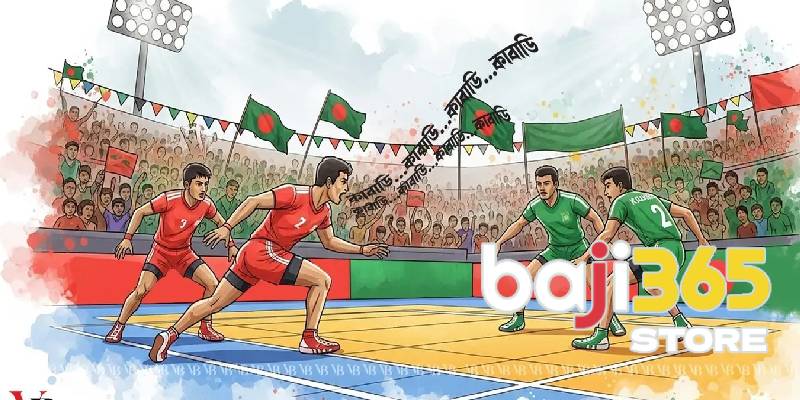
League competitions typically use a season structure in which teams play multiple fixtures across a league stage, accumulating points that determine standings. Match points are usually awarded for wins, and additional points may be included for close losses or specific scoring thresholds, depending on league rules. These incentives can influence late-match tactics, as a trailing team may still pursue points even if a comeback is unlikely, increasing late scoring and affecting totals.
Playoff qualification is generally based on standings position. In playoff stages, matches are often single-elimination, where a single loss ends the season. This increases pressure and can alter risk tolerance in raiding decisions, particularly when protecting a lead. Scheduling density, travel, and recovery windows can affect team performance across a season, making squad depth and rotation policy meaningful variables in long-term evaluation.
Because league structure details can vary by season, accurate sportsbook market framing relies on official tournament definitions for points systems, tie-breakers, and playoff rules. Clear operator settlement notes are also important if a match is abandoned, postponed, or replayed.
See more:
- Field Hockey: How to Bet on Field Hockey and Predict Match Results
- Basketball: Top Basketball Betting Strategies for Winning More
- UEFA Champions League: Latest Betting Odds and Predictions for UEFA Champions League
Sportsbook Markets And Odds Drivers For Bangladesh Kabaddi League
When Bangladesh Kabaddi League is offered in sportsbooks, the most common markets are match winner, point spread, and total points. Team totals may also be listed, and player-focused markets may appear when official data supports consistent tracking of raid points and tackle points. The availability of these markets can vary based on league coverage and the quality of real-time scoring feeds.
| Market Type | What It Measures | Common Drivers |
| Match Winner | Which team wins the fixture | Form, roster balance, injuries |
| Point Spread | Winning margin adjusted by handicap | All outs, late-game raids |
| Total Points | Combined points scored by both teams | Raid efficiency, tackle rate |
| Team Total | Points scored by a single team | Top raider output, defensive pressure |
Odds movement is often driven by in-play momentum. A rapid sequence of successful tackles can create an all out opportunity, while a multi-touch raid can swing both the score and the point spread. In-play markets may therefore react quickly to player availability on the mat, substitution patterns, and do-or-die raid situations. Market integrity is supported when live scoring is accurate and when settlement rules clearly define how overtime, abandoned matches, or replay scenarios are handled.
See more:
- FIFA World Cup: Betting Tips and Predictions for the FIFA World Cup
- Panda Sports: Best Betting Opportunities and Odds on Panda Sports
Bangladesh Kabaddi League Coverage Within baji365
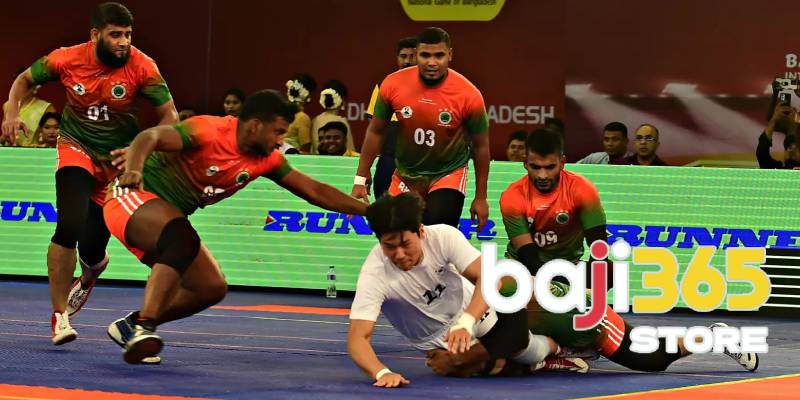
Within baji365, Bangladesh Kabaddi League coverage can be promoted as a specialized sports category supported by clear match pages, organized market groupings, and consistent settlement definitions for spreads and totals. Bangladesh Kabaddi League structured raid-and-tackle scoring aligns well with sportsbook presentation, as points can be tracked continuously and reflected in live pricing. When paired with stable live updates, readable odds display, and accessible account controls, Bangladesh Kabaddi League markets can be positioned as a transparent and structured offering that reflects the sport’s pace while maintaining clarity around rules and results.

CEO Dominic Amelia (born 1990) is the Chief Executive Officer of baji365, a Bangladesh-focused online entertainment platform providing live cricket data and digital gaming content. With years of experience in content strategy, platform operations, and digital brand development, Dominic Amelia is recognized for her leadership in building transparent systems and driving sustainable growth for baji365.
Contact Info:
CEO Dominic Amelia
Website: https://baji365.store/ceo-dominic-amelia/
Phone: +8801885206557
Address: 20 Shahid Fazlul Haq Rd, Dhaka 1212, Bangladesh
Email: baji365.store@gmail.com
#baji365 #baji365ceo #dominicamelia #bangladeshceo #ceodominicamelia #digitalplatform #cricketcontent #onlineentertainment #brandleadership #techleadership