
The UEFA Champions League is Europe’s premier club football competition, structured around multi-stage qualification, a league-phase format, and knockout rounds that culminate in a final to determine the champion. The tournament is defined by high-level squad depth, tactical diversity, and intense match environments that can vary significantly by venue and travel demands. For sportsbook audiences, the UEFA Champions League supports an extensive range of markets tied to match outcomes, qualification pathways, and long-horizon tournament propositions that evolve as teams progress through stages.
Unlike domestic leagues that unfold across months with repeated matchups, the UEFA Champions League concentrates elite fixtures into discrete rounds where marginal advantages can decide qualification. This structure increases the impact of lineup choices, rotation between domestic and European commitments, and the strategic management of away fixtures. A practical understanding therefore benefits from a review of competition format, match rules that affect tie resolution, and the betting market categories typically associated with UEFA Champions League coverage.
Competition Purpose And Governance Structure
The UEFA Champions League is organized under European football governance with a central purpose of determining the top club side in Europe for a given season. Entry is earned primarily through domestic league performance and national association allocation, which creates a field composed of champions and high-placing clubs from top leagues alongside qualifiers from a broader European pool. This composition introduces stylistic variation, with clubs bringing distinct tactical identities shaped by their domestic competitions.
Because it is a seasonal tournament, scheduling overlaps with domestic leagues and cup competitions. As a result, fixture congestion, travel, and squad rotation play meaningful roles in team performance. In baji365 Sports terms, these variables can affect pricing for match markets and longer-term futures, especially when a club’s domestic priorities influence European lineup strength in early stages.
Qualification Routes And Entry Pathways
Clubs enter the UEFA Champions League through qualification routes that depend on their domestic league placement and on national association coefficients. Some clubs qualify directly for the main competition phase, while others must progress through preliminary rounds. Qualification rounds are typically played over two legs, with aggregate scores determining advancement, and they can take place before the domestic season is fully stabilized for many clubs.
Qualification pathways can influence early pricing in tournament winner markets because the final lineup of participating clubs may not be confirmed until late in the summer. Additionally, clubs emerging from qualification may carry meaningful match fitness or momentum, while directly qualified clubs may prioritize rotation early in the group or league phase. These dynamics can create variability in opening odds and can affect how markets respond to early results.
See more:
- Field Hockey: How to Bet on Field Hockey and Predict Match Results
- Bangladesh Kabaddi League: Best Betting Strategies for the Bangladesh Kabaddi League
- Basketball: Top Basketball Betting Strategies for Winning More
League Phase Structure Points And Tie Breakers
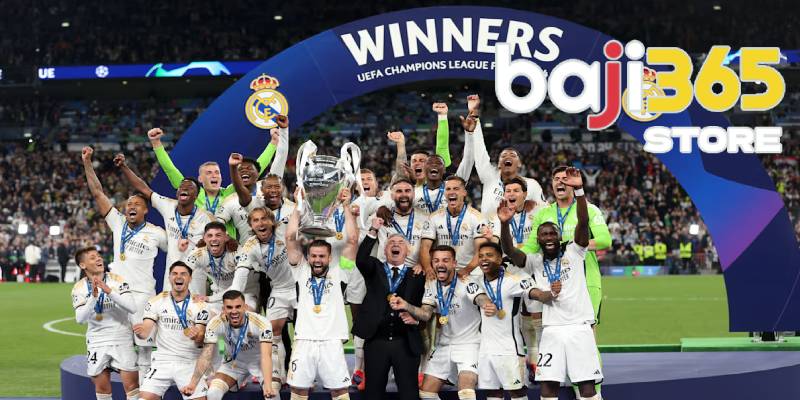
The UEFA Champions League has transitioned to a league-phase format in which clubs play a set number of matches against different opponents and earn points based on results. Points typically follow standard football conventions, with three points for a win and one point for a draw. League-phase standings determine which clubs advance directly to later knockout rounds and which clubs enter intermediate playoff-style rounds, depending on the competition regulations in effect for that season.
Tie breakers can include goal difference, goals scored, head-to-head measures where applicable, and disciplinary records. Because the league phase includes fewer matches than a full domestic league campaign, small margins can be decisive. A late goal that changes goal difference can materially alter standings outcomes, which is relevant for markets connected to qualification, finishing position, and stage advancement.
In betting contexts, league-phase incentives can influence match approach. A club may prioritize securing a draw away from home, manage risk when a higher seed is already likely, or pursue additional goals to improve tie-break standing. These incentives can affect totals, both teams to score markets, and Asian handicap lines, particularly in late league-phase fixtures where qualification scenarios are clearer.
See more:
- League of Legends: How to Bet on League of Legends and Maximize Your Wins
- Kabaddi: Betting Tips and Strategies to Win Big on Kabaddi Matches
- Greyhound Racing Betting: Complete Guide to Greyhound Racing and How to Bet
Knockout Rounds Two Leg Ties And Final Format
Knockout rounds in the UEFA Champions League are typically played as two-leg ties, with each club hosting one match. The aggregate score across both legs determines which club advances. If the aggregate score is level after the second leg, extra time is played, followed by a penalty shootout if needed. The away goals rule previously used in past eras is no longer applied in modern editions, meaning that aggregate ties are resolved through extra time rather than by away goals advantage.
The two-leg structure introduces strategic variation. Clubs may prioritize risk management in the first leg, especially away from home, while attempting to assert control in the second leg in front of home support. Substitution timing, game-state management, and discipline are often central in deciding marginal ties. This structure also influences sportsbook markets, as match winner markets settle on the 90-minute outcome of a single leg, while qualification or “to advance” markets settle on the outcome of the tie including extra time and penalties.
The tournament ends with a single-match final played at a neutral venue. The final uses standard knockout rules, including extra time and penalties if required. The neutral setting can affect atmosphere and travel demands, and it often increases the emphasis on tactical caution early in the match.
See more:
- Tennis: The Ultimate Guide to Tennis Betting and Winning Strategies
- ESports: How to Bet on Esports and Win Big on Your Favorite Games
- Dota 2: Best Betting Tips and Winning Strategies for Dota 2 Matches
Match Rules Officiating And Scheduling Effects
Matches in the UEFA Champions League are played under the Laws of the Game with tournament-specific regulations governing squad registration, player eligibility, and disciplinary thresholds. Yellow card accumulation and red card suspensions can influence availability across consecutive rounds. Because the tournament is played alongside domestic competitions, fixture congestion can also shape lineup decisions, particularly in league-phase weeks where clubs manage multiple competitions.
Officiating and VAR processes can affect match flow. Penalty awards, red cards, and disallowed goals can change match state quickly, which is reflected in in-play odds movement. The ability to manage match tempo, protect leads, and avoid disciplinary risk can therefore be relevant when assessing markets connected to cards, penalties, and team totals.
Scheduling considerations include travel distance, rest days, and the sequence of domestic fixtures around European match weeks. A club facing an important domestic match may rotate in Europe, especially if league-phase advancement is already likely. These choices can influence pre-match pricing and can create late odds adjustments once lineups are confirmed.
See more:
- Football: Best Betting Strategies and Predictions for Football Matches
- Cricket: Betting Tips and Strategies to Win Big on Cricket Matches
- Baji365 Live Betting: How to Bet Live and Win on Baji365
Common Betting Markets And Odds Drivers
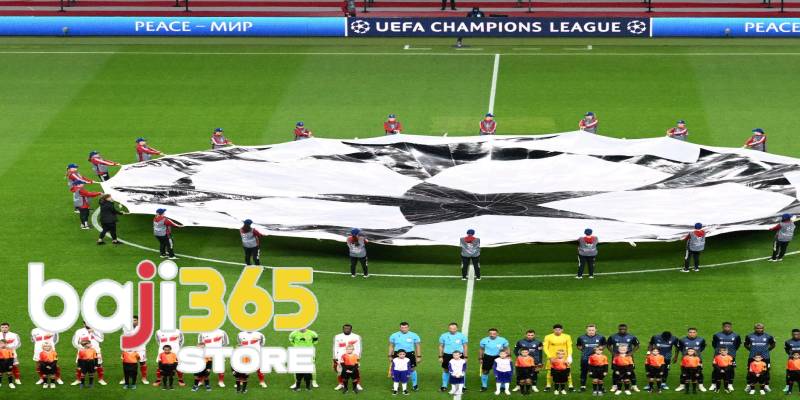
The UEFA Champions League supports match-level markets, stage-advancement markets, and tournament-long propositions. Match-level markets include 1X2 outcomes, double chance, draw no bet, Asian handicaps, and totals. Prop markets commonly include corners, cards, shots, and goal-scorer options where data support is robust. Tournament markets include outright winner, finalists, top scorer, and team progress markets tied to reaching specific stages.
| Market Category | Typical Market | Primary Drivers |
| Match Outcome | 1X2 or draw no bet | Lineups, home advantage, tempo |
| Totals | Over or under goals | Game state, finishing, risk profile |
| Handicap | Asian handicap lines | Strength gap, rotation, injuries |
| Team Props | Team goals, corners, cards | Pressing intensity, officiating |
| Advancement | To qualify or to advance | Aggregate strategy, extra time risk |
| Tournament Futures | Outright winner, top scorer | Bracket path, depth, schedule load |
Odds movement can be driven by lineup confirmation, injury updates, and tactical expectations. In two-leg ties, first-leg results heavily influence second-leg pricing, particularly for totals and qualification markets. In-play odds can change quickly following red cards, penalties, or early goals, and market labeling is therefore important to distinguish 90-minute outcomes from advancement outcomes that include extra time and penalties.
Responsible participation is typically supported through platform tools such as limits, reminders, and cooling-off options. Because UEFA Champions League fixtures occur midweek across a season, structured management of session time and spending can be relevant for those engaging across multiple matchdays.
See more:
- FIFA World Cup: Betting Tips and Predictions for the FIFA World Cup
- Panda Sports: Best Betting Opportunities and Odds on Panda Sports
UEFA Champions League Coverage And Promotion Within baji365
The UEFA Champions League can be promoted effectively when events are organized by matchday and stage, with league-phase fixtures separated from knockout ties and long-horizon tournament markets presented with clear settlement definitions. Within baji365, UEFA Champions League coverage can be positioned as a structured and transparent football offering by emphasizing readable match pages, consistent labeling for 90-minute and qualification markets, and stable live updates for goals, cards, and key match events. This approach supports efficient navigation across match and futures markets while aligning the tournament’s high-profile status with reliable sportsbook presentation.

CEO Dominic Amelia (born 1990) is the Chief Executive Officer of baji365, a Bangladesh-focused online entertainment platform providing live cricket data and digital gaming content. With years of experience in content strategy, platform operations, and digital brand development, Dominic Amelia is recognized for her leadership in building transparent systems and driving sustainable growth for baji365.
Contact Info:
CEO Dominic Amelia
Website: https://baji365.store/ceo-dominic-amelia/
Phone: +8801885206557
Address: 20 Shahid Fazlul Haq Rd, Dhaka 1212, Bangladesh
Email: baji365.store@gmail.com
#baji365 #baji365ceo #dominicamelia #bangladeshceo #ceodominicamelia #digitalplatform #cricketcontent #onlineentertainment #brandleadership #techleadership