
Animingo rules is typically presented as a themed bingo-style game that retains familiar number-draw fundamentals while applying a stylized visual layer. The core loop is built on randomized draws, card grids that track called numbers, and pattern completion rules that define winning results. In digital environments, automated marking and immediate verification are commonly used to keep rounds readable and consistent, especially when multiple cards are active. While the theme may emphasize animated aesthetics and character-driven UI feedback, the underlying mechanics remain aligned with classic bingo structures.
As a modern format, Animingo is often configured to support short round cycles, clear disclosure of session parameters, and stable cross-device performance. Differences between variants usually appear through pattern libraries, card sizes, round pacing, and presentation effects rather than through changes to the probability model. For this reason, understanding Animingo requires a practical focus on how cards are generated, how patterns are defined, and how digital systems validate completion.
Core Rules And Game Objectives
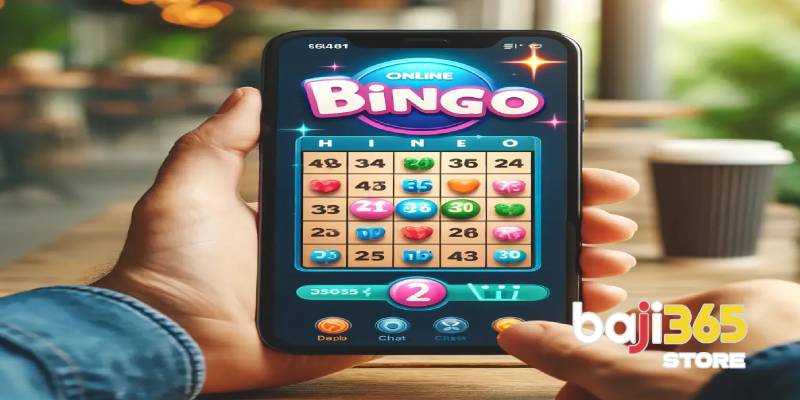
Core Rules And Game Objectives
The primary objective in Animingo rules is to complete a specified pattern on a card by matching drawn numbers to the numbers displayed on the grid. A round begins with card allocation, followed by sequential draws from a defined number pool. As the draw proceeds, matching numbers on the card are marked, either automatically by the system or through optional manual confirmation when available. A win is recorded when the required pattern is fully marked according to the published round rules.
See more:
- Live Games: Experience the Most Exciting Live Casino Games Online
- Slots: Explore the Best Slot Games and Win Big Today
- Live Crazy Time: A Complete Guide to Playing and Winning at Live Crazy Time
Rules clarity is central because pattern definitions can vary by round. A single-line requirement differs materially from a full-card requirement, and the expected time to completion can change based on pacing and card format. In Animingo, a pattern template is commonly displayed before play begins, allowing verification of the intended completion shape. When multiple win tiers are offered, the hierarchy of patterns and the payout order are typically disclosed so that completion triggers can be interpreted correctly.
Card Layouts Number Pools And Pattern Types
Most Animingo rules implementations use familiar grid structures such as five-by-five cards, but smaller grids may be used for faster rounds. Card content is generated from a fixed number pool, with unique values placed into each grid position according to the chosen format. In digital settings, card readability is treated as a functional requirement, with high-contrast number styling and consistent spacing that supports rapid scanning during live draws.
Pattern libraries can include standard configurations and more specialized templates. Common examples include:
- Horizontal, vertical, and diagonal lines
- Four corners
- Center-focused shapes
- Double-line and frame patterns
- Full-card completion
Custom patterns may be represented with icons or overlays that highlight required squares. In Animingo rules, these overlays are typically designed to remain visible without obscuring called numbers. If a round supports multiple eligible patterns, prize tiers may be attached to each pattern type, requiring a clear display of which pattern triggers which payout.
See more:
- Poker: Learn How to Play Poker and Improve Your Winning Strategy
- Andar Bahar: Ultimate Guide to Playing Andar Bahar and Winning Big
- Teen Patti: Tips and Tricks to Win at Teen Patti Every Time
Round Flow Draw Presentation And Result Validation
A standard Animingo rules round is organized into predictable phases: configuration, draw sequence, validation, and results. Configuration includes card count selection (where permitted), a display of the required pattern, and a summary of any prize tiers. The draw phase then presents called numbers in sequence, often with visual cues that emphasize newly drawn values and a persistent history panel that records previous calls.
Result validation is generally handled automatically. When the system detects that the required pattern has been completed, the round concludes and a results screen is shown. This screen may include the final called number, the completed pattern view, and a record of the draw order. Automated validation reduces disputes caused by misreads and helps ensure that pattern completion is assessed consistently across all participants in the same session. In Animingo rules, this validation layer is most effective when it is paired with clear on-screen indicators for marked squares, near-completion states, and pattern overlay alignment.
Between rounds, short transitions are commonly used to confirm outcomes and reset cards. This separation supports auditability by establishing a distinct boundary between sessions, which is important in digital implementations where consecutive rounds can occur quickly.
See more:
- Roulette and Blackjack: How to Master Roulette and Blackjack for Maximum Wins
- Game Shows: Top Game Shows You Can Play and Win Big
- Neptune Bingo: How to Play Neptune Bingo and Increase Your Chances of Winning
Digital Feature Layers And Thematic Presentation

Animingo rules Baji365 casino is frequently distinguished by a themed interface that adds character-driven visuals, animated feedback, and stylized backgrounds. These elements are generally cosmetic and are designed to enhance engagement without changing the random draw process. A well-designed theme layer maintains legibility by ensuring that animations do not obscure called numbers, card grids, or pattern templates.
Common presentation features include animated number reveals, short celebratory effects on pattern completion, and configurable sound cues that correspond to key events. Accessibility controls, such as sound toggles and reduced-effects modes, may also be included. In Animingo rules, the theme layer can be valuable when it reinforces information hierarchy, such as using color changes to highlight newly called numbers or using subtle motion to guide attention to the draw history panel. The strongest implementations use theme as a structured UI system rather than as a distraction.
Session Formats And Gameplay Variants
Digital distribution allows Animingo rules to be offered in multiple session formats. Single-card rounds tend to emphasize simplicity and speed, while multi-card modes support higher information density by allowing several cards to be tracked at once. To maintain usability, multi-card modes often include sorting tools, card zoom controls, and automatic highlighting of cards closest to completion. These tools do not affect outcomes; they shape how progress is displayed and managed.
Timed rounds may be used to standardize pacing, with the draw sequence delivered at fixed intervals. Other variants use continuous play models, where rounds progress with minimal downtime. In Animingo rules, pacing can influence perceived intensity but does not alter the underlying rules if the number pool, card format, and pattern requirements remain constant. Additional variant elements may include:
- Multiple prize tiers tied to different patterns in the same round
- Optional side objectives that remain cosmetic and separate from outcomes
- Alternative grid sizes designed for shorter sessions
- Persistent draw history panels with expandable detail views
Where variants include several patterns in a single session, it is typically expected that rule panels and payout tables remain available during play. This supports informed participation and reduces ambiguity when a win state is reached.
See more:
- Plinkox: A Step-by-Step Guide to Playing and Winning at Plinkox
- Peek Baccarat: How to Play Peek Baccarat and Win More with Expert Strategies
- American Blackjack: Expert Tips for Winning at American Blackjack
Fairness Controls Payout Logic And Responsible Play Tools

Fairness in Animingo rules depends on the integrity of random number generation and on deterministic pattern verification. In regulated environments, random number generators are commonly tested to confirm expected statistical behavior, and game logic is reviewed to ensure that pattern completion is assessed consistently. Even in less formal settings, transparent disclosure of rules, patterns, and prize structures remains an important quality signal.
Payout logic is generally defined by a prize table that ties stakes, pattern difficulty, and session configuration to expected rewards. More complex patterns typically imply lower frequency wins than simple line patterns, though the exact distribution depends on the chosen grid and draw sequencing model. In Animingo, payout clarity is best supported through a visible prize panel that distinguishes primary and secondary patterns and indicates whether prizes are fixed or tiered.
Responsible play features are often implemented at the platform level and can include deposit limits, session reminders, time-out controls, and self-exclusion mechanisms. These tools are not unique to Animingo rules, but they shape the overall experience by providing structured controls around session length and spending behavior. When configured effectively, these tools remain accessible without interfering with the visibility of patterns, card grids, or draw histories.
See more:
- Penalty Roulette: How to Play and Win at Penalty Roulette
- Quack Squad: Discover How to Play and Win in Quack Squad Game
- Aviatrix: Master the Aviatrix Game and Maximize Your Winning Potential
Animingo rules Placement And Value Within baji365
Animingo rules is positioned most effectively when it is presented with consistent rules disclosure, stable performance, and a themed interface that supports readability. Within baji365, Animingo can be promoted as a curated bingo-style title that emphasizes clear pattern presentation, reliable round flow, and transparent results reporting. This placement benefits from predictable navigation, straightforward access to rule panels and payout details, and a structured session experience that remains consistent across devices. When the theme layer is integrated as a usability feature rather than a cosmetic overlay, Animingo rules is framed as a modern, visually distinctive format that still preserves the familiar logic of number draws and pattern completion.

CEO Dominic Amelia (born 1990) is the Chief Executive Officer of baji365, a Bangladesh-focused online entertainment platform providing live cricket data and digital gaming content. With years of experience in content strategy, platform operations, and digital brand development, Dominic Amelia is recognized for her leadership in building transparent systems and driving sustainable growth for baji365.
Contact Info:
CEO Dominic Amelia
Website: https://baji365.store/ceo-dominic-amelia/
Phone: +8801885206557
Address: 20 Shahid Fazlul Haq Rd, Dhaka 1212, Bangladesh
Email: baji365.store@gmail.com
#baji365 #baji365ceo #dominicamelia #bangladeshceo #ceodominicamelia #digitalplatform #cricketcontent #onlineentertainment #brandleadership #techleadership