
Neptune Bingo is typically presented as an online bingo title that combines standard number-draw mechanics with themed pattern goals and feature layers that can affect how frequently wins occur. While the aquatic theme differentiates presentation, the underlying structure remains recognizable: numbered calls are matched to bingo cards, qualifying patterns determine winning outcomes, and payout tables define how each completed pattern is valued. Modern online versions often add automation options such as auto-daub and multi-card play, increasing pace and the number of simultaneous win opportunities.
This article explains Neptune Bingo from a mechanics-first perspective, focusing on how rounds are structured, how cards are evaluated, how common patterns are settled, and which feature elements influence variance. The objective is to support consistent interpretation of outcomes through clear understanding of pattern rules and settlement behavior.
Neptune Bingo Core Round Flow And Number Draw Process
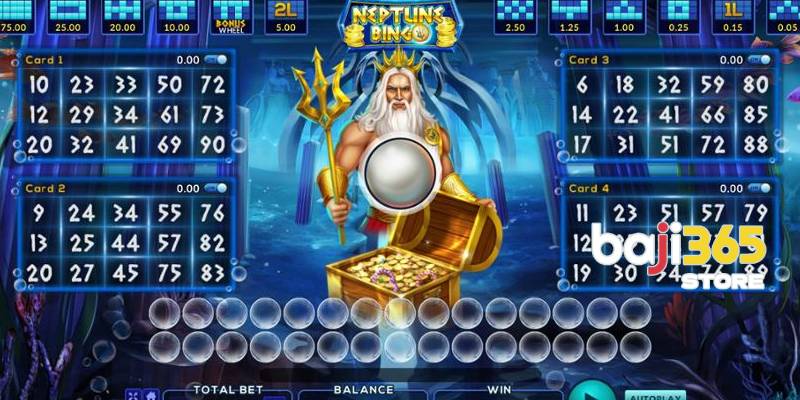
Neptune Bingo rounds typically begin with a purchase window during which cards are selected or assigned. Once the purchase window closes, the number draw sequence begins. Numbers are then called in a randomized order until a qualifying win condition is met or until a defined call limit is reached, depending on the rule set.
Online bingo generally resolves faster than traditional hall bingo because draws can be automated and paced quickly. Neptune Bingo commonly uses a countdown timer to show when the next round begins and may display a live call list to track which numbers have been drawn. When a winning pattern is achieved, the round settles and the game transitions to the next available round.
In multi-draw schedules, each round is typically identified by a draw label and timestamp, supporting verification that a card was played in the intended round and that results are checked against the correct call sequence.
See more:
- Penalty Roulette: How to Play and Win at Penalty Roulette
- Quack Squad: Discover How to Play and Win in Quack Squad Game
Bingo Card Layout And Number Matching Basics
Neptune Bingo is most often built on standard bingo card conventions, commonly a 5×5 grid with labeled columns and a central free space, though some versions may use smaller grids for quicker rounds. Each square contains a number, and as numbers are called, matching squares are marked. A marked set of squares can form a winning pattern.
Number matching can be performed manually, but most online bingo titles provide auto-daub. Auto-daub automatically marks called numbers, reducing operational error and supporting play with multiple cards simultaneously. Auto-daub does not change the underlying probability of called numbers; it changes only how matches are recorded and how easily multiple cards can be managed.
Key structural card elements include:
- Grid size: determines the number of positions available for patterns.
- Free space rules: whether a center square is automatically counted.
- Card quantity: the number of simultaneous cards increases win opportunities per round.
Winning Patterns And How Neptune Bingo Evaluates Them
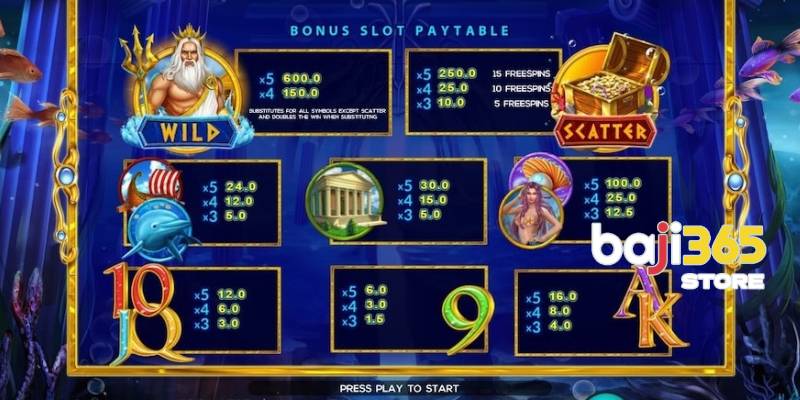
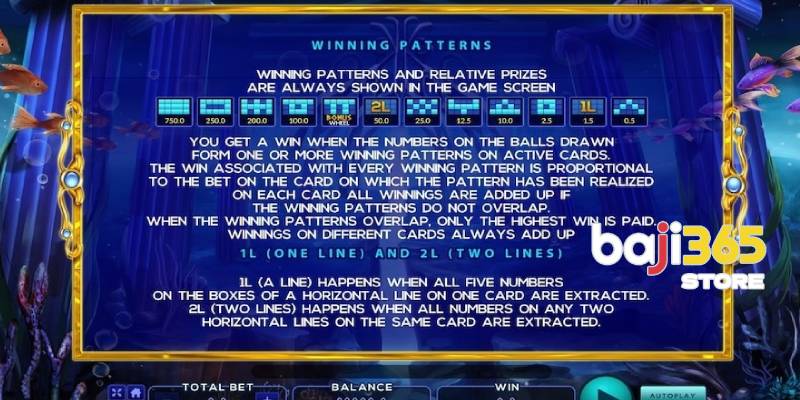
Neptune Bingo at Baji365 casino often emphasizes pattern-based wins rather than limiting outcomes to a single line. Patterns define the exact arrangement of marked squares required to qualify. This can include classic lines and more complex shapes. Pattern evaluation is positional, meaning the marked squares must match the pattern’s required locations rather than simply meeting a total mark count.
Common pattern categories include:
- Single line: a complete horizontal, vertical, or diagonal line.
- Multiple lines: two lines, cross patterns, or combined line structures.
- Corner patterns: four corners or corner-plus-center variants.
- Shape patterns: themed icons or geometric shapes tied to the game identity.
- Coverall: a full card completion, typically the highest-value pattern.
Some Neptune Bingo formats settle on the first achieved qualifying pattern, ending the round immediately. Others allow multiple paid patterns within the same round, particularly if a progression structure exists where the game continues drawing until a higher-tier pattern is completed. The posted rules determine whether the round ends on the first win or continues to a later objective.
Payout Tables, Prize Pools, And Scaling Factors
Neptune Bingo payouts are typically defined by a paytable that assigns values to each winning pattern. Paytables can be fixed, scaling with stake level and card cost, or they can be pooled, where payouts depend on total participation in the round. Fixed paytables provide consistent pattern valuation, while pooled structures can cause payout amounts to vary from round to round.
Several factors can influence payout magnitude:
- Stake tier: higher entry levels often scale pattern payouts proportionally.
- Pattern difficulty: more complex or larger patterns generally pay more.
- Round structure: pooled prize mechanisms can change payouts based on participation.
Where jackpot or progressive elements exist, they are typically tied to rarer outcomes such as coverall within a restricted number of calls. If such conditions are present, rule notes should specify the exact call limit and how the jackpot settles when multiple winners occur.
See more:
- Plinkox: A Step-by-Step Guide to Playing and Winning at Plinkox
- Peek Baccarat: How to Play Peek Baccarat and Win More with Expert Strategies
- American Blackjack: Expert Tips for Winning at American Blackjack
Bonus Features And Thematic Modifiers
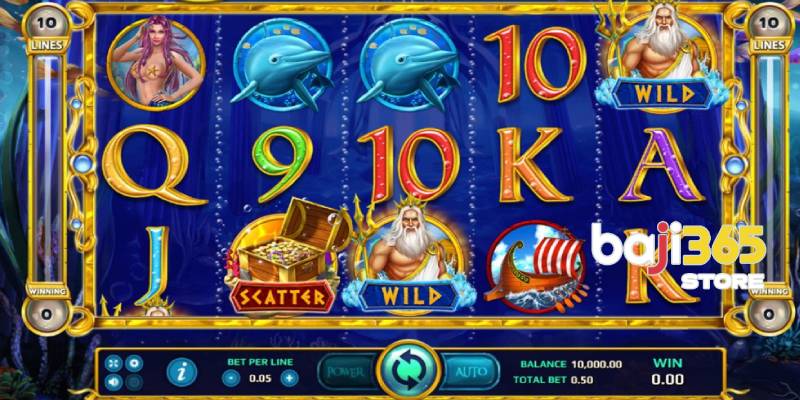
Modern online bingo often includes bonus mechanics that modify the standard draw-and-mark loop. In Neptune Bingo, themed features can include bonus calls, special marked squares, or temporary multipliers that apply to completed patterns. These features are designed to add variance and increase the number of meaningful decision points without changing the core requirement that a pattern must be completed.
See more:
- Roulette and Blackjack: How to Master Roulette and Blackjack for Maximum Wins
- Game Shows: Top Game Shows You Can Play and Win Big
- Anmingo Rules: Complete Guide to Anmingo Game Rules and How to Play
Bonus Calls And Extra Draws
Bonus calls are additional numbers drawn beyond the standard sequence, often used to create a final chance to complete a near-finished pattern. Bonus calls can increase win frequency for lower-tier patterns, but they are usually limited in number, preserving the rarity of higher-tier objectives.
Special Squares And Wild Markers
Some Neptune Bingo implementations include special squares that act as wild markers or multiplier markers. A wild marker can count toward a pattern regardless of the called number, while a multiplier marker can increase payout if the marker is included in the winning pattern. These mechanics increase variance because they can cause two similar cards to have different effective value based on special square placement.
Feature rules should be stated clearly, especially around whether special squares persist across rounds or are assigned per card and per round. Transparency on this point supports correct interpretation and verification.
See more:
- Poker: Learn How to Play Poker and Improve Your Winning Strategy
- Andar Bahar: Ultimate Guide to Playing Andar Bahar and Winning Big
- Teen Patti: Tips and Tricks to Win at Teen Patti Every Time
Volatility Drivers In Neptune Bingo Sessions
Volatility in Neptune Bingo is influenced by pattern difficulty, card count, and the extent to which bonus features shift completion rates. More complex patterns and coverall objectives have lower completion probability, concentrating value into rarer wins. Simpler line patterns occur more frequently, producing steadier outcomes but typically at lower payout levels.
Card quantity also matters. Playing more cards increases the probability that at least one card completes a pattern in a round, which increases win frequency. However, it also increases total stake exposure. For this reason, higher card counts should be interpreted as greater exposure rather than as a direct improvement in expected outcome.
Key volatility drivers include:
- Pattern ladder design: the gap between simple and complex patterns affects outcome dispersion.
- Bonus feature strength: wild markers and multipliers can cluster outcomes into fewer rounds.
- Round speed: fast cycles increase the number of settlement events per session.
- Prize structure: pooled prizes can cause payout amounts to vary between rounds.
Short-run results can vary widely because pattern completion is probabilistic and because rare higher-tier patterns can dominate a session’s net result when they occur. This variance is a structural property of bingo formats and does not imply that prior draws influence future draw sequences.
See more:
- Live Games: Experience the Most Exciting Live Casino Games Online
- Slots: Explore the Best Slot Games and Win Big Today
- Live Crazy Time: A Complete Guide to Playing and Winning at Live Crazy Time
Interface Clarity And Result Verification
Neptune Bingo is easiest to interpret when the interface provides clear pattern previews, a visible call list, and a readable win breakdown that shows which pattern was completed and what payout was credited. Auto-daub status should be clear so that players know whether marking is automated. When multi-card play is offered, the interface should also distinguish card identifiers so that winning cards can be verified easily.
Result verification is strengthened by round labels and a history view that lists recent called numbers and settled outcomes. These records help confirm that a card was entered into the intended round and that the winning pattern was evaluated correctly under the stated rules.
See more:
baji365 Context For Neptune Bingo Presentation
On baji365, Neptune Bingo is typically presented with clear paytable visibility, readable pattern rule previews, and consistent round labeling intended to support transparent settlement, reliable verification of called numbers, and accurate interpretation of bonus features and credited payouts.

CEO Dominic Amelia (born 1990) is the Chief Executive Officer of baji365, a Bangladesh-focused online entertainment platform providing live cricket data and digital gaming content. With years of experience in content strategy, platform operations, and digital brand development, Dominic Amelia is recognized for her leadership in building transparent systems and driving sustainable growth for baji365.
Contact Info:
CEO Dominic Amelia
Website: https://baji365.store/ceo-dominic-amelia/
Phone: +8801885206557
Address: 20 Shahid Fazlul Haq Rd, Dhaka 1212, Bangladesh
Email: baji365.store@gmail.com
#baji365 #baji365ceo #dominicamelia #bangladeshceo #ceodominicamelia #digitalplatform #cricketcontent #onlineentertainment #brandleadership #techleadership